Published: August 13, 2026 • Masterclass Guide
What Colors Go Together in Clothing? A Practical Guide to Outfit Colour Combinations
BASE → SUPPORTING → ACCENT → BALANCE → OCCASION
Discover how to combine clothing colours intentionally. Learn dependable 2-colour and 3-colour formulas, neutral foundations, the 60-30-10 styling rule, and Indian ethnic combinations.
You own several high-quality clothing items that look wonderful on their own. But when you open your wardrobe in the morning, you find yourself hesitating over colour matching. You ask yourself: “Does navy go with brown?” “Can I wear olive green with blue?” “Is cream too similar to beige?” “Will combining two bright colours look too loud?”
If you are wondering what colors go together in clothing, the good news is that stylish colour matching does not require memorizing hundreds of complex fashion rules. While there is no single list of “allowed” combinations, there are dependable, repeatable visual frameworks that make pairing clothing colours effortless.
This practical guide teaches you step-by-step how to combine clothing colours with complete intention and visual balance.
What Colors Go Together in Clothing?
Clothing colours go together best when built on simple ratios: pair 1 base colour with 1 supporting neutral (e.g. Navy + Cream), use analogous neighbouring shades (Navy + Teal), or apply the 60-30-10 rule (60% dominant hue, 30% supporting neutral, 10% pop accent).
The Easiest Way to Start: One Base + One Supporting Colour
When building an outfit, attempting to mix four or five distinct colours simultaneously creates instant visual clutter. The simplest starting formula pairs ONE BASE COLOUR + ONE SUPPORTING COLOUR:
Navy + Cream
Timeless, crisp, elegant contrast for work or weekend.
Olive + Beige
Earthy, relaxed smart-casual combination.
Brown + Denim Blue
Natural, grounded combination with rich leather tones.
Grey + Burgundy
Polished urban contrast ideal for office or dinner.
Use Neutrals as Your Safety Net
Neutrals—including black, white, cream, beige, grey, navy, and brown—are the safety nets of clothing color matching. They bridge stronger, saturated hues and prevent clashing:
NEUTRAL BRIDGING EXAMPLES:
Three Easy Colour-Combination Strategies
Master these three reliable styling systems to mix colours effortlessly:
Analogous Colours
Colours adjacent to each other. Examples: Navy + Teal, Green + Olive. Creates smooth, harmonious flow.
Complementary Accents
Contrasting relationships (e.g. Navy + Mustard Accent). One colour acts as dominant base, the second as a subtle pop.
Neutral + Single Accent
Neutral foundation + 1 saturated hue. Examples: Grey + Burgundy, Cream + Emerald. Foolproof daily choice.
Try the 60–30–10 Colour Balance
The 60-30-10 styling rule distributes visual weight in a 3-colour outfit so no single hue fights for attention:
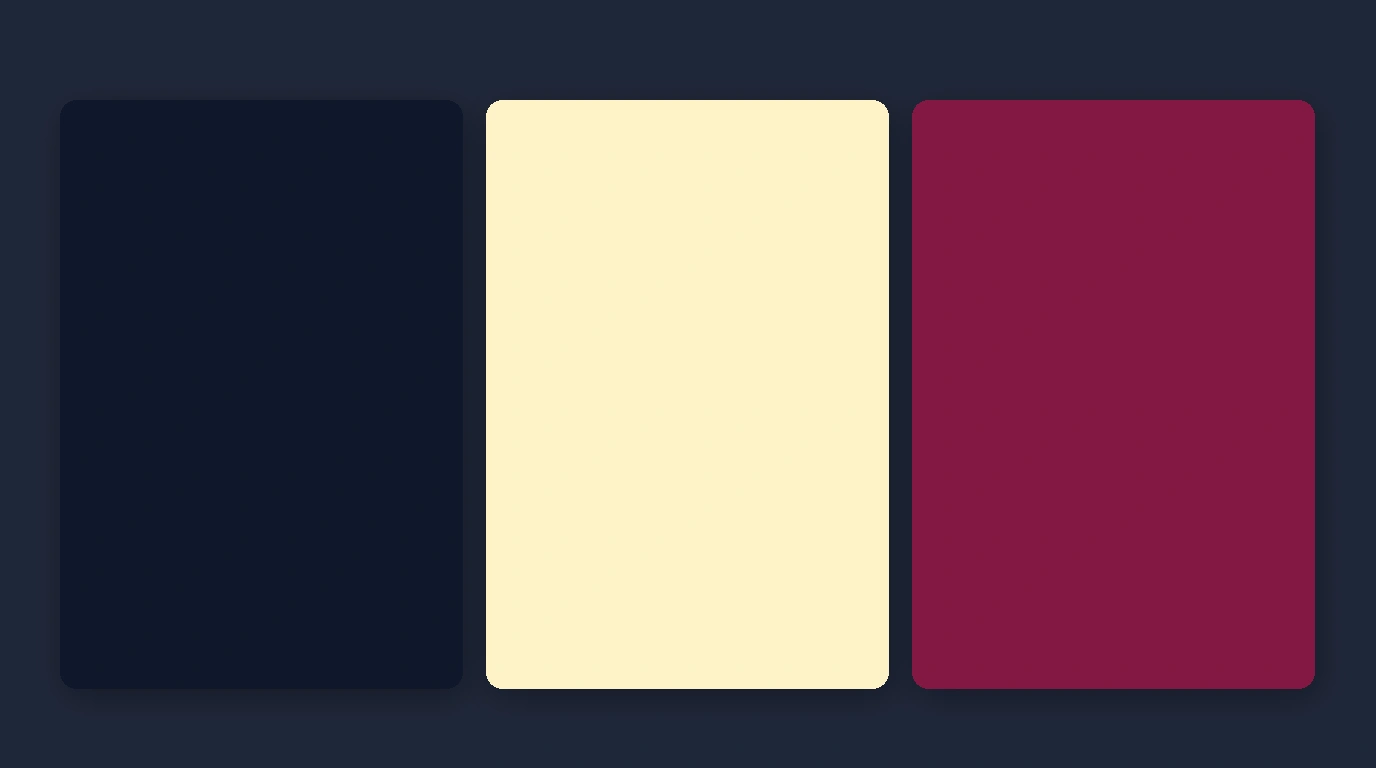
Example Outfit: 60% Navy Blazer & Trousers + 30% Cream Shirt + 10% Berry Pocket Square or Loafers.
How to Combine Strong Colours Without Making the Outfit Too Loud
Pairing multiple highly saturated shades (e.g. bright neon red + bright green + bright cobalt) causes visual fatigue. To wear strong colours elegantly, pair ONE STRONG COLOUR + QUIETER SUPPORTING NEUTRALS:
Colour Combinations That Are Easy Starting Points
Keep this quick cheat-sheet of foolproof starting combinations handy:
Navy + Cream
Navy + White
Navy + Beige
Navy + Mustard
Olive + Cream
Olive + Beige
Olive + Navy
Olive + Tan
Burgundy + Charcoal
Burgundy + Cream
Burgundy + Navy
Brown + Cream
Brown + Sky Blue
Brown + Olive
How to Know When Two Colours Are Too Similar
Some combinations fail because two shades are slightly different without looking intentional—such as pairing beige trousers with an almost-identical slightly yellowish beige shirt, or muddy brown shoes with slightly different brown trousers.
When combining near-similar shades, create clear depth separation by varying texture (e.g. knit sweater over smooth cotton) or adding a distinct neutral bridge.
What About Three Colours?
A 3-colour outfit adds rich visual interest while maintaining balance when following the MAIN + SUPPORT + ACCENT hierarchy:
- • Navy + Cream + Brown: Navy suit, cream shirt, brown leather shoes.
- • Olive + White + Tan: Olive overshirt, white tee, tan chinos.
- • Peacock Blue + Cream + Brown: Peacock blue kurta, cream pyjama, brown leather sandals.
How Clothing Colour Combinations Change With the Occasion
Occasion context dictates which colour intensity and contrast levels feel appropriate:
Work & Office
Navy, Cream, Charcoal Grey, Brown. Grounded, professional neutrals.
Casual Outings
Olive, Denim Blue, White, Tan. Relaxed, approachable tones.
Festive & Weddings
Mustard, Emerald, Berry, Peacock Blue, Warm Metallics/Zari.
What Colours Go Together With Indian Clothing?
Indian ethnic wear—including kurtas, sarees, salwar suits, dupattas, and nehru jackets—offers rich opportunities for colour play:
ETHNIC COLOUR COMBINATION EXAMPLES:
How Your Personal Colours Change the Answer
While a colour combination like Navy + Mustard is aesthetically balanced, how it looks on you depends on your personal undertone and contrast levels.
Learn how personal undertone and skin depth influence your flattering shades in our guide to finding which colours suit you → or get an instant facial scan with AI Personal Colour Analysis →
How to Build a Colour Combination From Your Own Wardrobe
Follow this 7-step method to build balanced colour combinations from your closet:
- Choose one starting anchor garment (e.g. olive shirt).
- Identify its dominant colour family (warm olive).
- Find a neutral bottom that grounds it (beige chinos).
- Add an optional supporting layer (cream cardigan).
- Check contrast balance against your complexion.
- Verify occasion context (casual vs. formal).
- Select matching footwear and accessories (tan loafers).
A 5-Second Colour Check
THE 5-SECOND OUTFIT COLOUR CHECK:
- What is the dominant colour of the outfit?
- What is the supporting neutral hue?
- Is there a clear accent colour?
- Does the overall contrast feel intentional?
- Does the combination match your intended occasion?
What If You Still Can't Tell Which Combination Works?
When you own many clothes across different colours, building combinations manually can feel overwhelming.
Digitize your closet to see all your available colours with a Digital Wardrobe →, generate complete looks automatically with an AI Outfit Planner →, and evaluate new purchases before buying with Scan Before You Buy →
Colour Matching Is a Framework, Not a Rulebook
Successful clothing colour combinations rely on harmony, balance, and clear intention. Start with 1 Base + 1 Supporting Neutral + 1 Accent, and enjoy creating stylish looks every day.
Related Masterclass Guides
Outfit Colour FAQs
In clothing, colours go together best when built on simple frameworks: Base + Supporting Neutral (e.g. Navy + Cream), Analogous pairings (Navy + Teal), Complementary accents (Navy + Mustard), or the 60-30-10 ratio (60% dominant hue, 30% supporting neutral, 10% pop accent).
Match clothing colors by selecting one dominant base garment (like a navy shirt or olive jacket), grounding it with a versatile neutral (cream, beige, grey), and optionally adding one subtle accent hue via footwear or accessories.
Reliable outfit colour combinations include Navy + Cream + Brown, Olive + Beige + White, Burgundy + Charcoal Grey + Cream, and Peacock Blue + Ivory + Gold.
Navy is an exceptionally versatile neutral that pairs effortlessly with cream, white, beige, camel brown, mustard yellow, olive green, burgundy, and burgundy.
Olive green pairs beautifully with cream, beige, navy blue, crisp white, tan brown, mustard yellow, and terracotta.
Brown pairs naturally with cream, warm ivory, sky blue, denim navy, olive green, forest green, and mustard.
Burgundy pairs sophisticatedly with charcoal grey, light grey, cream, navy blue, black, and warm beige.
Most stylish outfits use 2 to 3 colours (a main base, a supporting neutral, and an optional accent). Using more than 3 distinct saturated colours can cause visual noise unless connected by neutrals.
Match Colours & Plan Outfits
Download Colourity on Android to digitise your closet and generate outfits for free.
Get Colourity App